


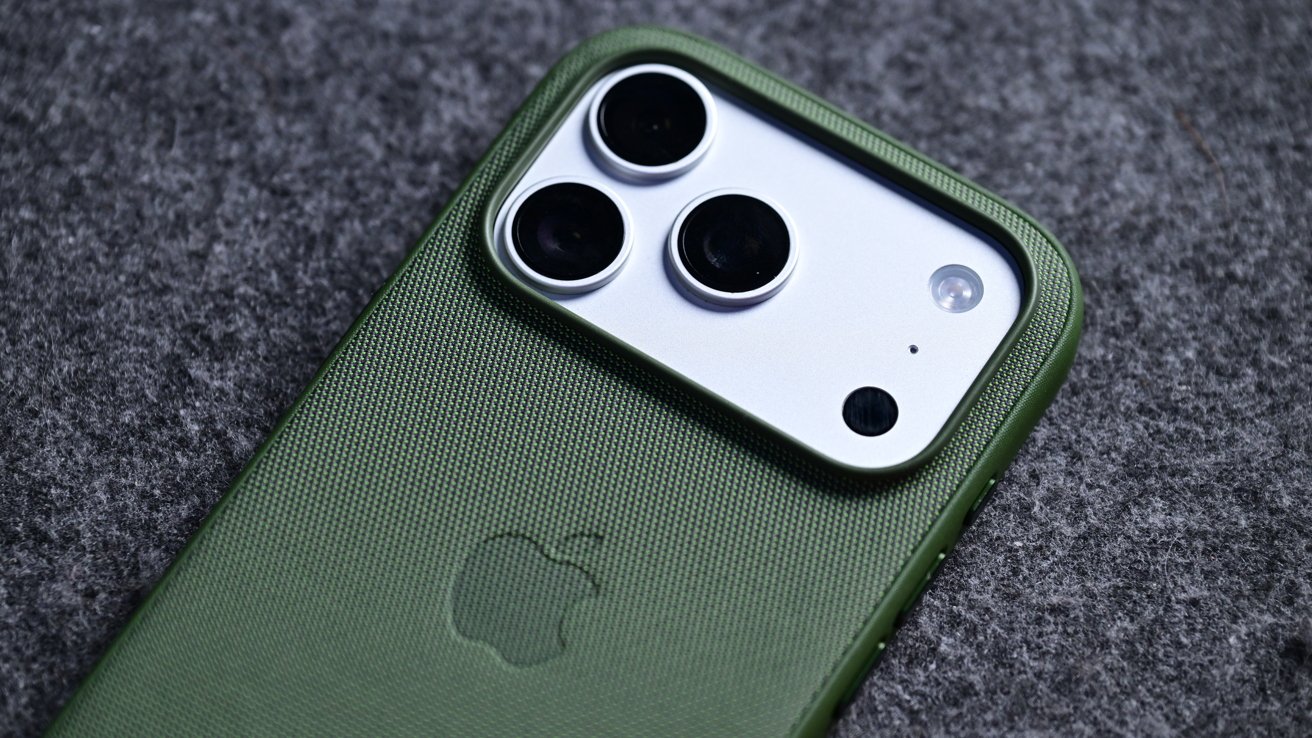
The iPhone 17 Pro Max is built to take more day to day punishment than older models, with Apple using Ceramic Shield 2 on the front and Ceramic Shield on the back. But it is still a large, glass surfaced device that meets hard ground at the worst possible angles, and the financial downside of a cracked screen or damaged back remains meaningful for most owners.
Apple made the iPhone 17 Pro Max tougher, not unbreakable
Apple’s own technical specifications describe the iPhone 17 Pro Max as an aluminium unibody design with a Ceramic Shield 2 front and a Ceramic Shield back. That combination improves scratch resistance and survivability in many everyday scenarios, while still keeping the materials required for premium fit and wireless charging.
Independent durability coverage suggests the iPhone 17 generation has improved scratch performance compared with prior models, including reports that Ceramic Shield 2 holds up well in scratch tests. The benefit is real, but it does not remove the core risk that matters most to buyers: a single drop that lands badly.
The drop problem has not gone away, and cosmetic wear is a bigger story this year
Allstate Protection Plans’ 2025 breakability testing focused on the iPhone 17 Pro and iPhone Air, and it still found serious damage from face down drops, even after strong bend results. The key message for consumers is not that the phones are flimsy, but that gravity remains a reliable way to turn a premium phone into an urgent repair.
For the Pro line specifically, multiple outlets also highlighted a more mundane issue: visible cosmetic wear around the sharp edged camera plateau. The Verge cited durability tester Zack Nelson saying the anodised aluminium coating “does not stick to corners very well,” which can make chipping and scuffing easier around edges. That is not catastrophic damage, but it is exactly the kind of wear that pushes many people back toward cases.
Even if a particular drop test did not include the iPhone 17 Pro Max, the buying logic remains consistent. The Pro Max shares the same category of premium materials and the same reality of large surface area meeting hard ground, while also adding more leverage from its size when it hits a corner first.
A case is also about grip and comfort, not just impact protection
Most people do not drop phones because they are reckless. They drop them because modern phones are thin, smooth, and used one handed while walking, commuting, or carrying something else. A case changes grip and reduces slip risk in a way durability specs cannot.
Consumer Reports has argued that marketing language around protection can be misleading, and that shoppers should prioritise practical fit and real protection features over slogans. The most effective cases tend to focus on how energy is absorbed at corners and how the case stays on during impact.
The tradeoffs are real: heat, wireless charging, and bulk
Cases can make charging heat harder to manage, especially with wireless charging. Apple’s own guidance on thermally limited charging advises removing the case if an iPhone tends to heat up while charging, and recommends charging within 0°C to 35°C for best performance. That is a polite way of saying that in hot rooms, in direct sun, or on a warm MagSafe style charger, thick cases can contribute to slower charging and more heat.
Bulk is the other obvious cost. The iPhone 17 Pro Max is already a large device, so some users choose a minimal case or none at all simply to keep it pocket friendly.
The environmental angle is becoming harder to ignore
Cases also have a sustainability footprint, and the evidence base is starting to catch up with what many people intuitively suspect. A peer reviewed study in the Journal of Hazardous Materials examined protective mobile phone cases during months of real world use and reported that microplastics can be generated and transferred through everyday handling and abrasion. That does not mean every case is a health emergency, but it does strengthen the case for buying fewer, keeping them longer, and avoiding cheap plastics that degrade quickly.
When it makes sense to go without an iPhone 17 Pro Max case
For most owners, an iPhone 17 Pro Max case is still the sensible default, because it reduces the likelihood of the most expensive outcomes and helps prevent the cosmetic wear that often annoys people long before the phone actually breaks.
Going caseless is more realistic when three conditions are true. First, the owner has AppleCare+ and is comfortable paying the excess fees when something goes wrong. Second, the phone is mostly used in low risk settings, not while walking outdoors or on public transport. Third, the owner is not aiming for top resale value, and accepts that iOS can show parts and service history after repairs, which some buyers check when purchasing second hand.
The practical middle ground for many people is not “case or no case.” It is choosing a slimmer case with real corner protection, then taking it off when charging heat becomes a pattern. Apple’s own guidance supports that approach.

Share:
Do you really want a foldable iPhone? Why many foldable buyers switch back