

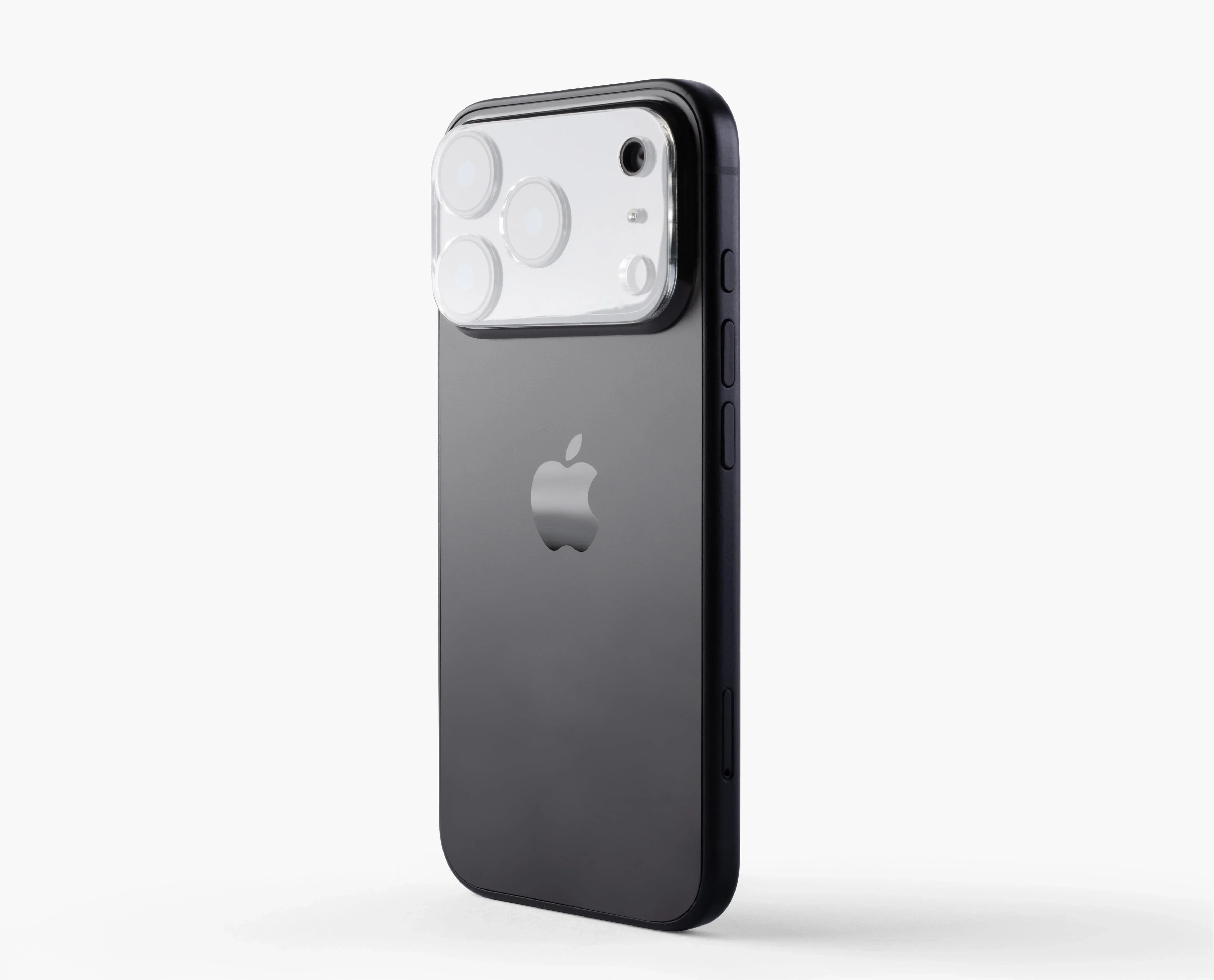
Camera lens protectors have become a common add on for iPhone owners, marketed as a simple way to avoid scratches on the most exposed part of the phone. For most people, they are usually unnecessary because Apple already uses a sapphire crystal lens cover, and adding another layer in front of the camera can introduce flare or reflections that reduce image quality.
The iPhone camera is already built with scratch resistance in mind
Apple’s published technical specifications for current iPhone models state that the camera uses a sapphire crystal lens cover. That is not a marketing footnote. It signals that the surface in front of the camera is designed for durability.
Sapphire sits near the top of the Mohs hardness scale, which is a standard reference for scratch resistance. The United States Geological Survey lists sapphire at 9, with diamond at 10. Encyclopaedia Britannica also references corundum at 9 on the same scale.
Hardness is not the same as shatter resistance, but it is directly relevant to the everyday worry people have about camera glass: the slow, accumulating scuffs from pockets, bags, and normal handling.
Why lens protectors can make photos look worse
A lens protector works by placing another piece of glass or plastic on top of the camera area. In photography, extra surfaces can create extra reflections, especially in scenes with strong point lights such as street lamps, headlights, or holiday lights.
Nikon’s own support guidance explains that additional filters can contribute to flare because they add another layer of glass that can cause internal reflections, and that quality can vary. The same optical principle applies when a phone camera is covered with an additional layer.
In practice, this is why people sometimes notice that night photos look hazier or show larger halos around bright lights after installing a protector. It may not happen in every scene, but when it does, it tends to show up in the moments people care about most.
What protects iPhone cameras better than a lens protector
For most owners, the most effective protection is not another layer over the lens. It is reducing contact with abrasive surfaces and keeping the camera clean.
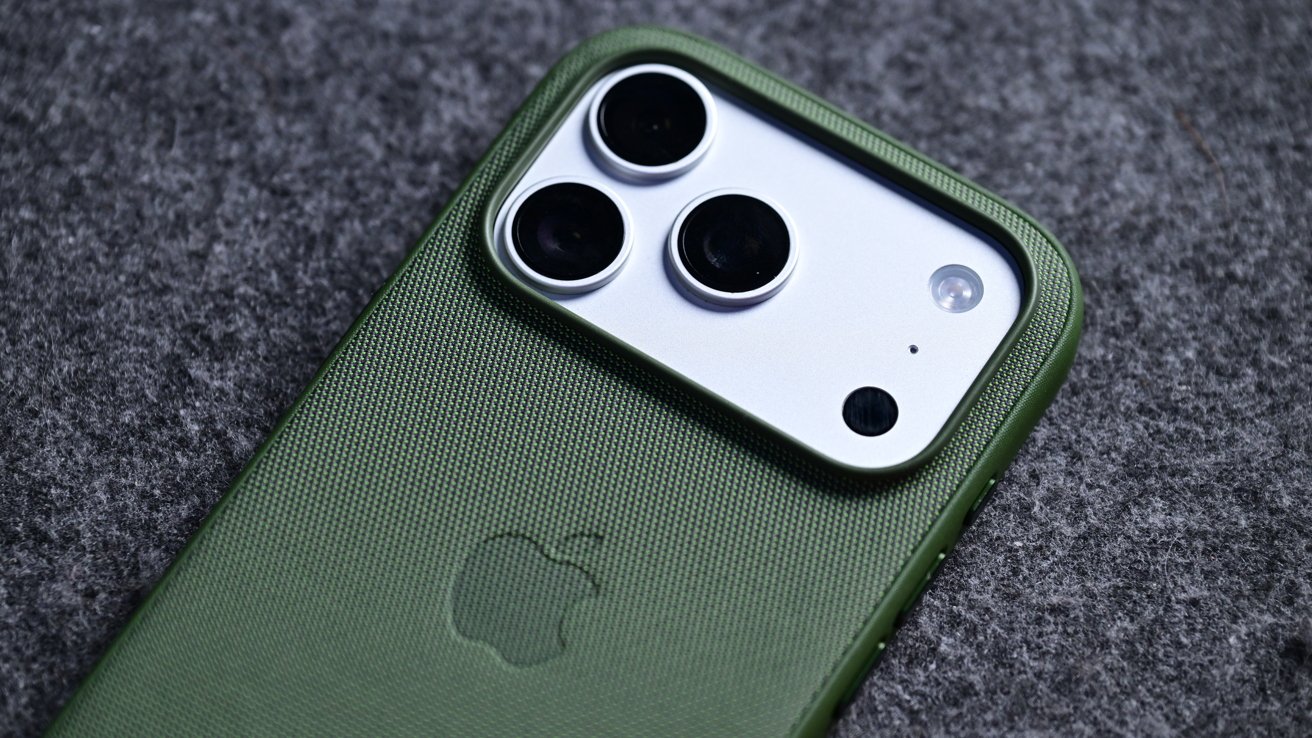
A well designed case that has a raised lip around the camera area helps keep the lens cover from scraping against tables and countertops. That addresses one of the most common day to day damage paths, which is repeated contact with hard surfaces.
Cleanliness matters even more than many people expect. Apple’s cleaning guidance for iPhone recommends using a soft, slightly damp, lint free cloth and avoiding abrasives or harsh cleaning agents. That approach is particularly relevant for the camera area, where fingerprints and oils can reduce contrast and sharpness long before a scratch becomes visible.
A practical routine that improves outcomes without adding optical risk is straightforward:
-
Use a clean microfiber cloth to wipe the camera area before important shots.
-
Avoid sharing a pocket with keys, gritty items, or loose metal objects.
-
Use a case that keeps the camera bump from touching flat surfaces first.
There is also a useful reminder built into iOS 26. Some outlets have documented Apple’s Lens Cleaning Hints feature, which can prompt users when the camera lens appears dirty, reinforcing the point that smudges are a more common source of disappointing photos than lens scratches.
When a camera protector can still be reasonable
There are legitimate edge cases where a lens protector can make sense, even if it is not the default recommendation.
It is most defensible for people who regularly expose their phone to abrasive dust and debris, such as construction environments, workshops, or sandy conditions, where fine particles can grind against surfaces repeatedly. It may also appeal to users who know they frequently place the phone camera side down on rough surfaces and are unlikely to change that habit.
Even then, the trade off should be explicit. Any extra layer can increase the risk of flare and reflections, as Nikon describes in the context of filters. If a protector is used, it is best treated as a replaceable barrier, and it should be removed if it starts to degrade night photos or produces visible halos around bright lights.
The bottom line most iPhone owners can live with
For most iPhone owners, a camera lens protector is more reassurance than requirement. Apple already specifies a sapphire crystal lens cover, and the Mohs scale placement of sapphire helps explain why many users go years without meaningful lens scratching.
If image quality matters, avoiding unnecessary extra layers in front of the camera is a sensible default. A protective case and a simple cleaning habit usually deliver more real world benefit, with fewer side effects, than putting another sheet of material in the optical path.

Share:
iOS 26.2 adds a screen flash option to make iPhone alerts harder to miss
Do you really want a foldable iPhone? Why many foldable buyers switch back